Brownfield and redundant sites
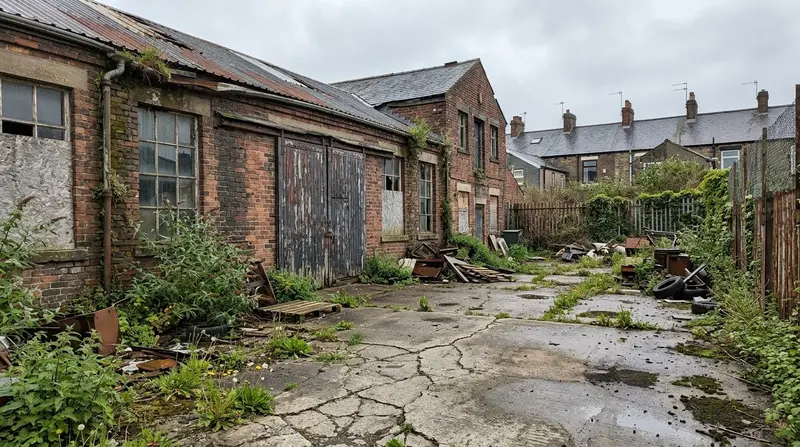
Brownfield land is land that has previously been built on or used, such as yards, workshops, garage blocks or old farm buildings, and policy across the UK gives priority to reusing it.
Planning policy favours reusing previously developed land, so brownfield sites often have a clearer route to consent than greenfield ones.
Costs can be higher: demolition, contamination and existing services all need checking. We price these in from the start so the numbers are honest.
Some redundant buildings can use permitted development or prior approval routes in England, which can be quicker than a full application.
Where can we help with brownfield land?
England
Wales
Scotland
Northern Ireland
Questions landowners ask
Does contamination stop a sale?
Rarely. It affects cost and the price a builder will pay. A Phase 1 desk study tells us early what to expect.
Can farm buildings become homes?
Often. In England some agricultural buildings can use Class Q prior approval; elsewhere a full application is normal.
What about commercial units still let?
Leases and vacant possession timing are part of the plan. We can phase a sale around existing tenants.
Related
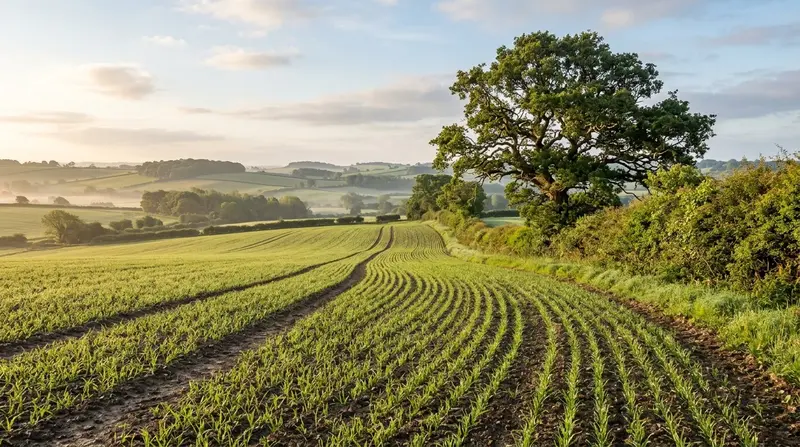 FarmlandAgricultural fields on the edge of towns and villages are the most common source of new housing land.Learn more →
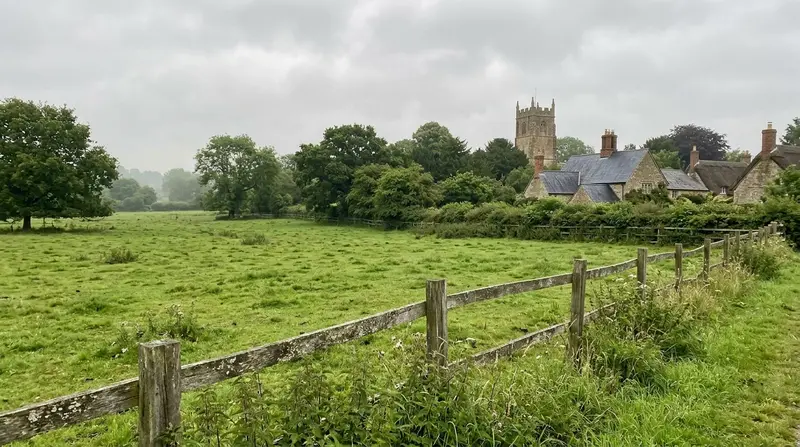 Paddocks and edge-of-village landSmall fields and paddocks next to villages can suit small developments of 5 to 30 homes.Learn more →
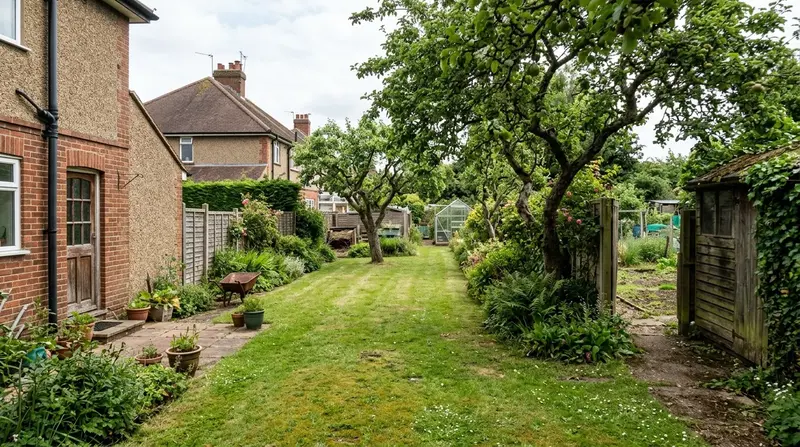 Garden plots and backlandLarge rear gardens and backland can often take one or more new homes, with access designed in.Learn more →
Read more: promotion vs option · land value with planning · how long it takes